
Reviewed · SCUBA DIVING
Discover Scuba Diving
St. Thomas gives first-time scuba students a gentle way into the underwater world: classroom basics, shallow-water practice, then a supervised ocean session. Aqua Action Dive Center supplies every major piece of equipment, so you do not need to arrive with more than swimwear and a willingness to learn.
I like the personal attention, with an instructor beside you throughout, and the choice between a shallow bay setting and a boat trip to reefs or wrecks. I also like the practical booklet you take home, since the lesson does not vanish the moment you leave the water.
The main point to weigh is depth and setting. The bay option may reach only about 15 feet, which is ideal for nervous beginners but may feel too limited if you already want a more dramatic underwater outing. Boat locations are not guaranteed for every session.
Key details to know before you book
- Three and a half hours from lesson to ocean: The experience gives you time to learn, practice, and try a full scuba session without taking an entire day.
- All core equipment is included: You receive a tank, weights, BCD, regulator, wetsuit, fins, mask, and snorkel.
- Instruction stays close at hand: The group size is capped at 12, and an instructor remains with you during the activity.
- Two possible underwater settings: You may start from a shallow bay or travel by boat to Caribbean reefs and wrecks.
- No certification is required: This is a supervised introduction, not an Open Water certification course.
- Plan around flights and health limits: Flying within 24 hours after scuba is not recommended, and every participant must complete a health questionnaire.
What the St. Thomas scuba lesson is really like
This is a first taste of scuba, not a shortcut to certification. You learn the basic equipment and procedures, practice under supervision, and then use those skills in the sea. That format matters because breathing through a regulator and moving with a tank can feel strange at first, even for a strong swimmer.
The session lasts about three hours and 30 minutes. You begin with an instructor-led classroom period, using a Discover Scuba Diving booklet to cover the essentials. Expect the lesson to focus on equipment, underwater communication, and the procedures needed to stay calm and safe.
The booklet is a small but useful touch. You can refer back to it after the experience, and it gives you something more lasting than a quick verbal briefing. If you are considering full certification later, this introduction helps you decide whether the activity suits you before committing to a longer course.
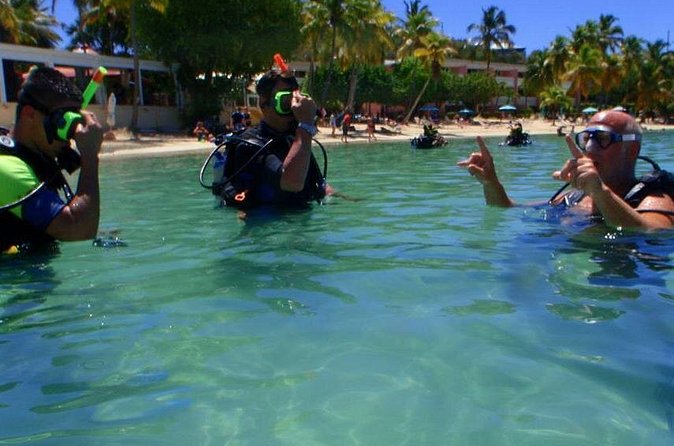
After the classroom portion, you move into shallow water. This is where the theory starts to make sense. You get familiar with the mask, fins, regulator, BCD, and other gear before attempting the main underwater session.
That gradual pace is one of the strongest reasons to choose this experience. You are not expected to master everything at once. An instructor stays nearby, watches your progress, and helps you adjust to the equipment.
More diving out of St Thomas:
- Sea Trek Helmet Dive at Coral World Ocean Park
★ 5.0 · 992 reviews - Two-Tank Dive for Certified Diving in St Thomas
★ 5.0 · 456 reviews - Discover Scuba Diving with No Certification in St Thomas
★ 5.0 · 223 reviews
The shallow-water practice makes the first attempt easier
The shallow section is not just a warm-up. For most beginners, it is the part that turns a pile of unfamiliar gear into something manageable.
Your equipment includes a tank, weights, buoyancy control device, regulator, wetsuit, fins, mask, and snorkel. The provider also supplies the scuba-related equipment needed for the session, so you do not need to rent items separately.
The regulator can take a moment to feel natural. One participant needed a gear change before becoming comfortable, and the instructor handled the problem patiently. That detail is worth keeping in mind: if something feels wrong, tell your instructor immediately rather than trying to push through it.
You will also learn how to communicate underwater, where ordinary speech is not possible. Hand signals and close instructor supervision help you stay connected to the group. The goal is not speed. The goal is to get comfortable enough to pay attention to the fish, coral, and other sea life around you.
I appreciate that the course does not treat nervousness as a nuisance. Staff members named in accounts of the experience include Jack, Stephanie, Juan, and Danny, with repeated praise for patient instruction and steady help. Names and staff assignments can change, but the setup is built around close support rather than a distant briefing from shore.
Bay session or boat trip to reefs and wrecks
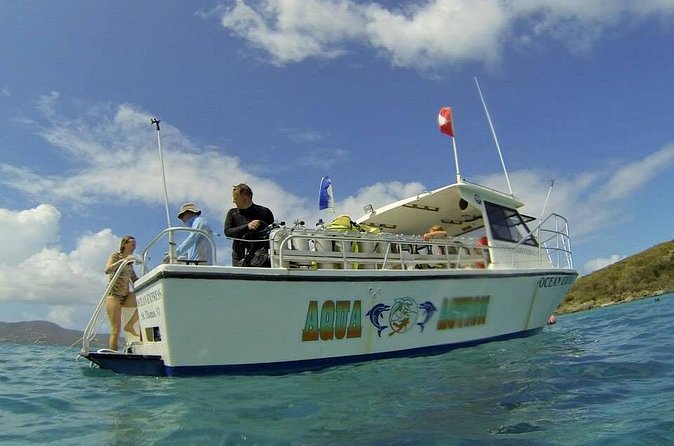
Once you have practiced in shallow water, you move to the main ocean portion. The exact setting depends on the session. You may continue from the beach or bay, or take a boat to two Caribbean Sea locations.
The bay option is the easier choice for a first attempt. It keeps the setting close to shore and may reach only around 15 feet. That shallow depth can be a real advantage if you are anxious, unsure about the equipment, or simply want to try scuba without too much intensity.
You may see coral, fish, sea anemones, and stingrays even in the shallow water. One especially memorable sight described from the experience was a large stingray resting on the bottom. The sea life can make a short, shallow session worthwhile.
Still, you should book with realistic expectations. At roughly 15 feet, the bay experience may look similar to what you could see while snorkeling. If your main goal is a more ambitious underwater outing, ask about the boat option before you reserve.
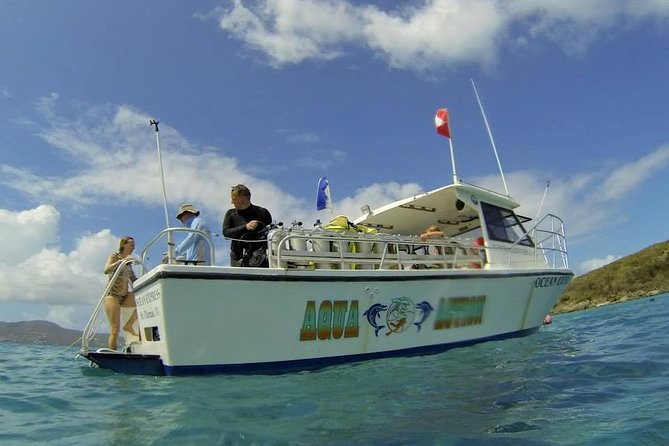
The boat alternative offers access to reefs and wrecks off St. Thomas, along with two Caribbean Sea locations. The supplied details do not promise a boat trip on every departure, so do not assume the most extensive route is automatic. The attraction is clear, though: you get a chance to see underwater sites that are not right beside the beach.
For a beginner, the boat choice also adds another layer of logistics and exposure to open water. That may be exciting, but the shallow bay can be the wiser pick if comfort is your priority. Ask what setting is planned for your date and group before booking if the location matters to you.
What you may see below the surface
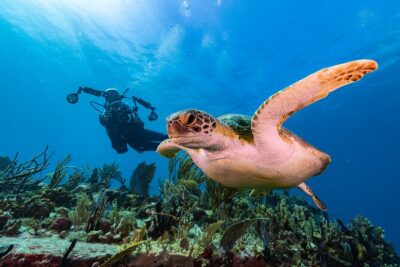
The marine life is one of the main rewards of this experience. The underwater setting includes coral, fish, sea anemones, and the chance of seeing a stingray resting on the bottom.
I would keep expectations sensible. This is a short introductory session, not a wildlife guarantee or a specialist marine-life trip. The appeal comes from learning to manage yourself underwater while noticing the surroundings, not from checking off a long list of species.
That combination works well for families, couples, and friends who have talked about trying scuba but never made the jump. You get a real sense of the activity without first taking a multi-day certification course.
The experience can also act as a useful test. Some people love the sensation of breathing underwater and want to continue toward Open Water certification. Others discover that the equipment, pressure, or restricted communication is not for them. Finding that out in a structured half-day session can save you from spending more on a full course that you may not enjoy.
Same dock, a completely different day:
- Turtle Cove Catamaran Snorkel and Sail at Little Buck Island STT
★ 5.0 · 2,100 reviews - Snorkel St. John Tour from Sapphire and Margaritaville
★ 5.0 · 1,874 reviews - Night Kayak Tour St. Thomas – Westin Frenchman’s Reef
★ 5.0 · 1,813 reviews - Tree Limin’ Extreme Zipline
★ 5.0 · 1,713 reviews
Equipment, group size, and instructor support
The maximum group size is 12 people. That is not a private lesson, but it is small enough to allow a more personal feel than a large boat-based activity. The instructor remains with you, which is especially important when the group contains several first-time participants.
The strongest feature here is not fancy equipment or a long route. It is the human support. Beginners need clear directions, patience, and quick help when a mask, regulator, or BCD does not feel right.
You should speak up early if you feel uncomfortable. Staff can help with gear and technique, but they cannot fix a problem they do not know about. The experience is designed for learning, so asking for an adjustment is part of the process, not a failure.
A moderate level of physical fitness is required. You should be ready to handle the equipment and spend time in the water, though the supplied information does not set out a specific swimming test or fitness standard.
Is $175 a fair price?
The price is $175 per person. At first glance, that may seem high for a three-and-a-half-hour activity, but the cost includes the booklet, all scuba equipment, tanks, weights, wetsuit, fins, mask, snorkel, and a qualified instructor.
That makes the price easier to understand. You are paying for instruction and supervision as much as for time in the water. Buying or arranging the equipment separately would add hassle and expense, especially for a one-time vacation activity.
The value is strongest if you want a proper introduction rather than a quick swim with borrowed gear. You receive classroom preparation, shallow-water practice, and a supervised ocean session. You also avoid paying for a full certification program before knowing if scuba suits you.
The value is weaker if you only want to see fish near the surface. The bay version may resemble snorkeling in terms of depth and scenery, so a snorkel outing could be enough for some people. At $175, I would ask about the planned bay or boat setting before deciding.
Gratuity is not included. A 15 to 20 percent tip is recommended, so budget another $26.25 to $35 per person if you want to follow that guidance. That brings the likely total to roughly $201.25 to $210 before any other personal spending.
Health, flights, and practical planning
You must complete a health questionnaire before scuba. Certain medical conditions, including asthma and heart conditions, may prevent you from participating. If you have a relevant condition, consult your doctor before booking rather than waiting until the activity date.
Flying within 24 hours after scuba is not recommended. This is the most important scheduling issue for visitors arriving or leaving St. Thomas by air. Plan the activity early enough in your trip to leave the recommended gap before your flight home.
The activity begins and ends at the meeting point in St. Thomas. It is near public transportation, and a mobile ticket is available. The supplied details do not provide a separate hotel pickup service, so confirm the meeting arrangements when you book.
Bring enough time for the entire three-and-a-half-hour session. Classroom instruction, gear preparation, shallow-water practice, and the ocean portion all form part of the experience. Rushing in from another activity would make the day less comfortable.
The booking is generally flexible up to 24 hours before the start time. Cancel by then for a full refund. Changes or cancellations made within 24 hours are not accepted for a refund. Poor weather or failure to meet the minimum number of participants can lead to a new date, another experience, or a full refund.
Who will enjoy this most
This suits you if you have always wanted to try scuba but do not want to begin with a full certification course. It is also a good fit for a vacation group with mixed confidence levels, since instructors can help individuals adjust equipment and work through nerves.
The experience is especially useful for:
- First-time scuba students
- Visitors who want structured instruction rather than a casual swim
- Families with older children or adults, subject to the provider’s health requirements
- Couples or friends looking for a shared new activity
- People considering later Open Water certification
It may not suit you if you already have substantial scuba experience or want a long, technically demanding underwater route. It may also disappoint you if you expect the bay session to reach significant depth or guarantee a boat trip to wrecks.
Should you book the Aqua Action session?
Book it if your goal is to try scuba in a controlled, beginner-friendly way. The combination of classroom preparation, shallow-water practice, included equipment, and close instructor support gives you a sensible first step into the sport.
Before paying, confirm whether your date uses the bay or boat setting. That single detail affects the experience more than the price alone. Choose the bay if comfort and simplicity matter most. Ask about the boat option if reefs and wrecks are the reason you are interested.
I would also schedule it well before your flight home, check the health requirements honestly, and allow for the recommended gratuity. If you want a patient introduction and a chance to decide if certification is your next move, this is a practical choice in St. Thomas. If you only want shallow marine life, compare it with snorkeling first.
FAQ
Where does the Discover Scuba Diving experience take place?
The activity takes place in St. Thomas, U.S. Virgin Islands. It begins and ends at the meeting point in St. Thomas.
How long does the experience last?
The session lasts approximately three hours and 30 minutes.
Do I need scuba certification?
No. This is a beginner introduction designed for people who do not have scuba certification.
What equipment is included?
The price includes tanks, weights, a BCD, regulator, wetsuit, fins, mask, and snorkel, along with the other scuba equipment needed for the activity.
Is an instructor with me during the session?
Yes. A qualified instructor stays with you throughout the experience.
Will the activity take place in a bay or at a reef?
You may take part in a shallow bay session, or travel by boat to two Caribbean Sea locations with reefs and wrecks. The exact setting is not guaranteed in the supplied details.
How deep is the bay session?
The bay option may reach about 15 feet. This makes it suitable for beginners, though it may offer scenery similar to snorkeling.
Can I fly soon after the activity?
Flying within 24 hours after scuba is not recommended.
Do I need to complete a health questionnaire?
Yes. All participants must complete a health questionnaire before participating. Some medical conditions, including asthma and heart conditions, may prevent participation.
What happens if I need to cancel?
You can receive a full refund if you cancel at least 24 hours before the local start time. Cancellations or changes within 24 hours are not accepted for a refund. If weather or minimum participation requirements cause the operator to cancel, you will be offered another date, another experience, or a full refund.
Just added around St Thomas
- St. Thomas Shopping And Sightseeing Tour★ 4.5 · 8 reviews
- St. Thomas Half-Day Beach Hopping Tour★ 4.0 · 10 reviews
- St Thomas Private and Customized Sightseeing Tour★ 4.5 · 21 reviews
- St Thomas Half Day Private Tour (1-10 ppl)★ 4.5 · 10 reviews
- St Thomas Private Group Tour (11 or more ppl)★ 4.0 · 5 reviews
- St. Thomas Mountain Top Tour and Beach Hopping★ 5.0 · 14 reviews
- Full Day Saint Thomas Private Group Excursion★ 5.0 · 3 reviews
- Shared VIP Shuttle from Westin Frenchman’s Reef to STT Airport★ 5.0 · 7 reviews
Scuba Diving, compared.
Two-Tank Morning Dive Trip for Certified Divers
Our review of this one →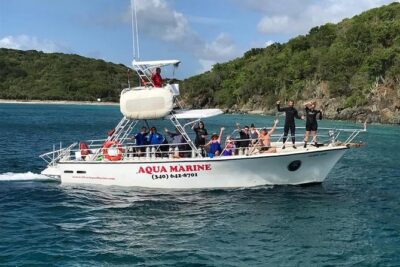
Two-Tank Dive for Certified Diving in St Thomas
Our review of this one →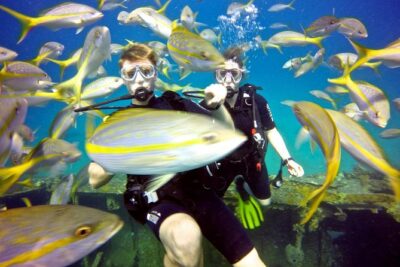
Discover Scuba Diving with No Certification in St Thomas
Our review of this one →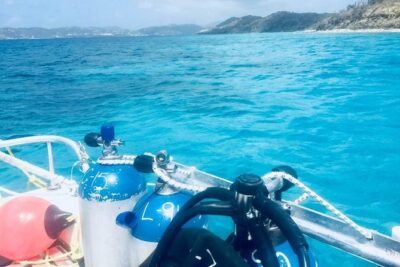
Browse the lists this tour appears in